


Domiciliary Care Integration with Health Services

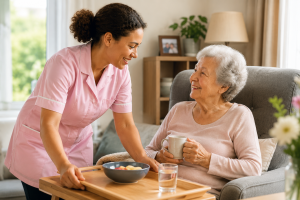
The integration of domiciliary care with health services in the UK is increasingly vital as more individuals with complex medical needs opt to remain at home. Domiciliary care often supports older people or those with chronic illnesses, and coordination between social care and healthcare professionals is essential for providing seamless and effective care. A well-integrated system ensures that care workers collaborate with GPs, nurses, and therapists to manage health conditions, monitor medications, and respond promptly to changes in a person’s condition.
However, there are several challenges to integrating domiciliary care with the NHS and other health services. One of the main issues is communication, as health and social care services often operate separately, using different systems and protocols. This lack of cohesion can lead to delays in care, poor management of health conditions, and increased hospital admissions. Recent initiatives, such as the NHS's focus on improved data sharing and multi-disciplinary teams, aim to address these barriers, but significant progress is still needed.
Looking ahead, greater integration will require innovative solutions, including the increased use of technology like telehealth and remote monitoring, allowing healthcare professionals and care workers to collaborate in real time. A more holistic, person-centred approach, uniting health and social care services, can improve outcomes, reduce hospitalisations, and enable individuals to maintain their independence for longer.
How Domiciliary Care Supports the UK Economy
July 6, 2026

Healthcare Workforce Shortages in the UK: A Growing Crisis
September 30, 2024